


Tüm ürünler
-
LCD TFT Ekran
-
Dokunmatik Ekran TFT Ekran
-
Yuvarlak TFT Ekran
-
tft renkli ekran
-
AMOLED ekran Modülü
-
Mikro OLED ekran
-
Bar Tipi TFT
-
Kare TFT Ekranı
-
Yüksek Parlaklıkta LCD Ekran
-
COB LCD Ekranı
-
Güneş Işığında Okunabilir TFT
-
UART TFT Ekran
-
LCD Ekran Modülü
-
PMOLED ekran
-
Epaper Ekranı
-
LED Dijital Ekran
-
kapasitif dokunmatik panel
-
 inkotechEvet, biz de yuvarlak ekranlar kullanmaya başladık, şimdi de ürünümüzle kontrol ediyoruz ve test ediyoruz.Sorularınız varsa...Sana haber veririm. Ekran kalitesi mükemmel ve gerçekten birinci sınıf görünüyor! Sizi fabrikada bulduğumuz için mutluyuz.
 -
Açık havada kolektif yükseltmekMerhaba Angel. Bu harika bir haber. Mükemmel ve profesyonel işiniz için tekrar teşekkür ederim. Koby.
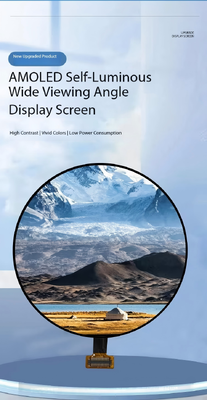
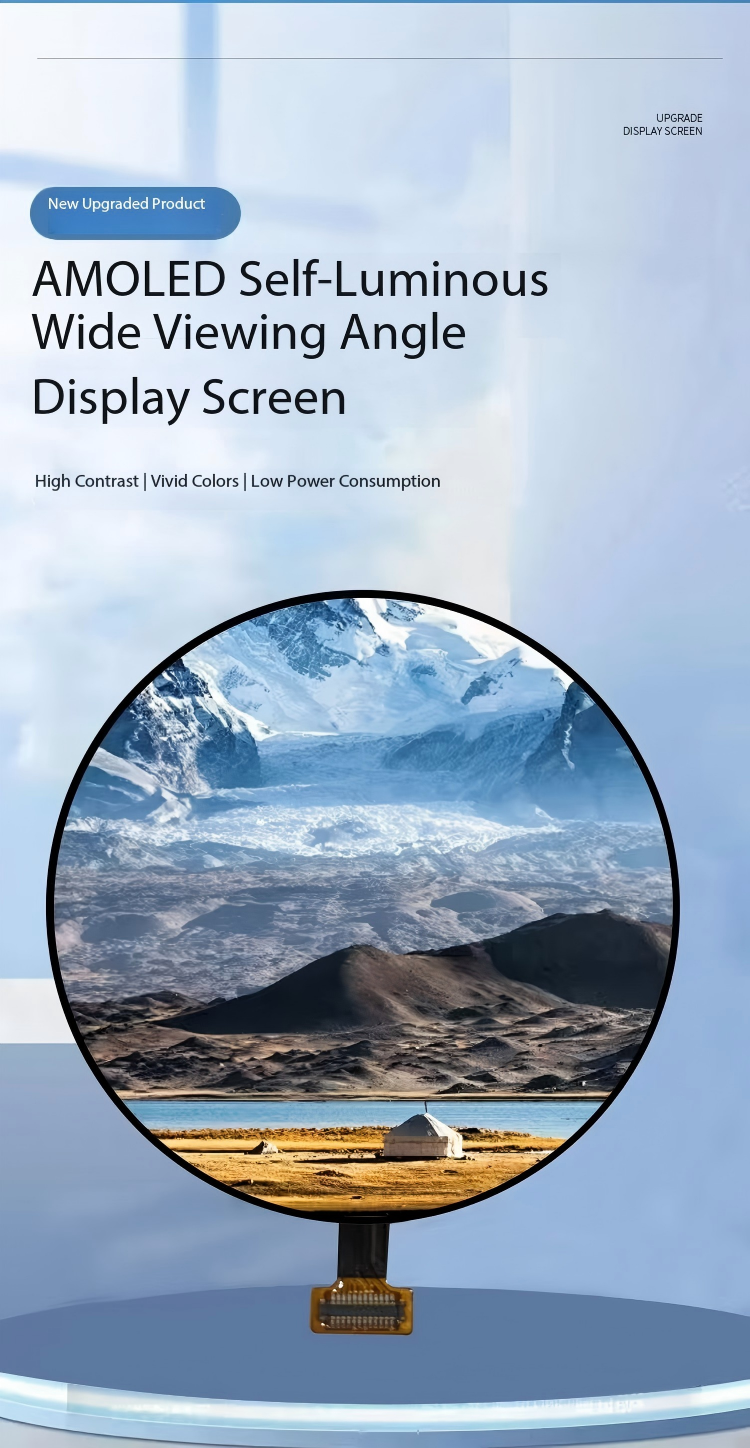
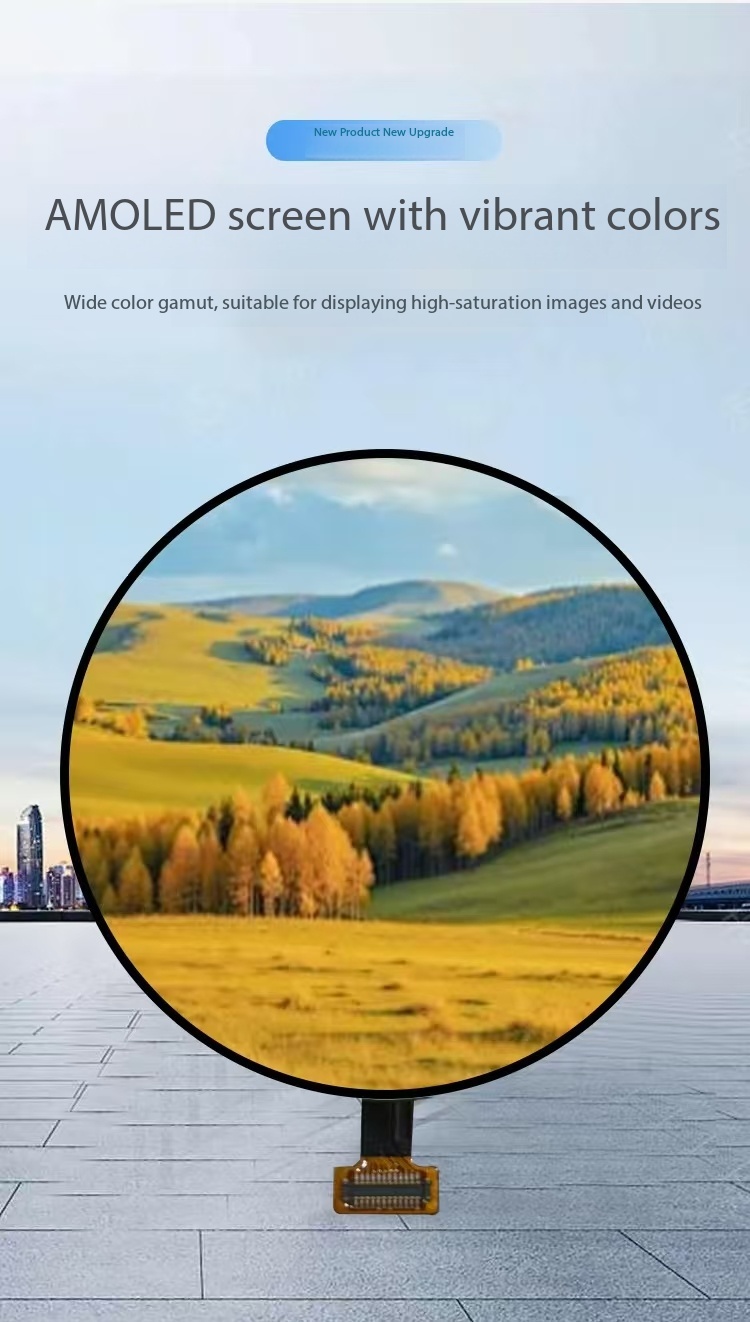
1.43 inç Yuvarlak AMOLED Ekran Modülü 700 nit parlaklık ve 466x466 çözünürlük
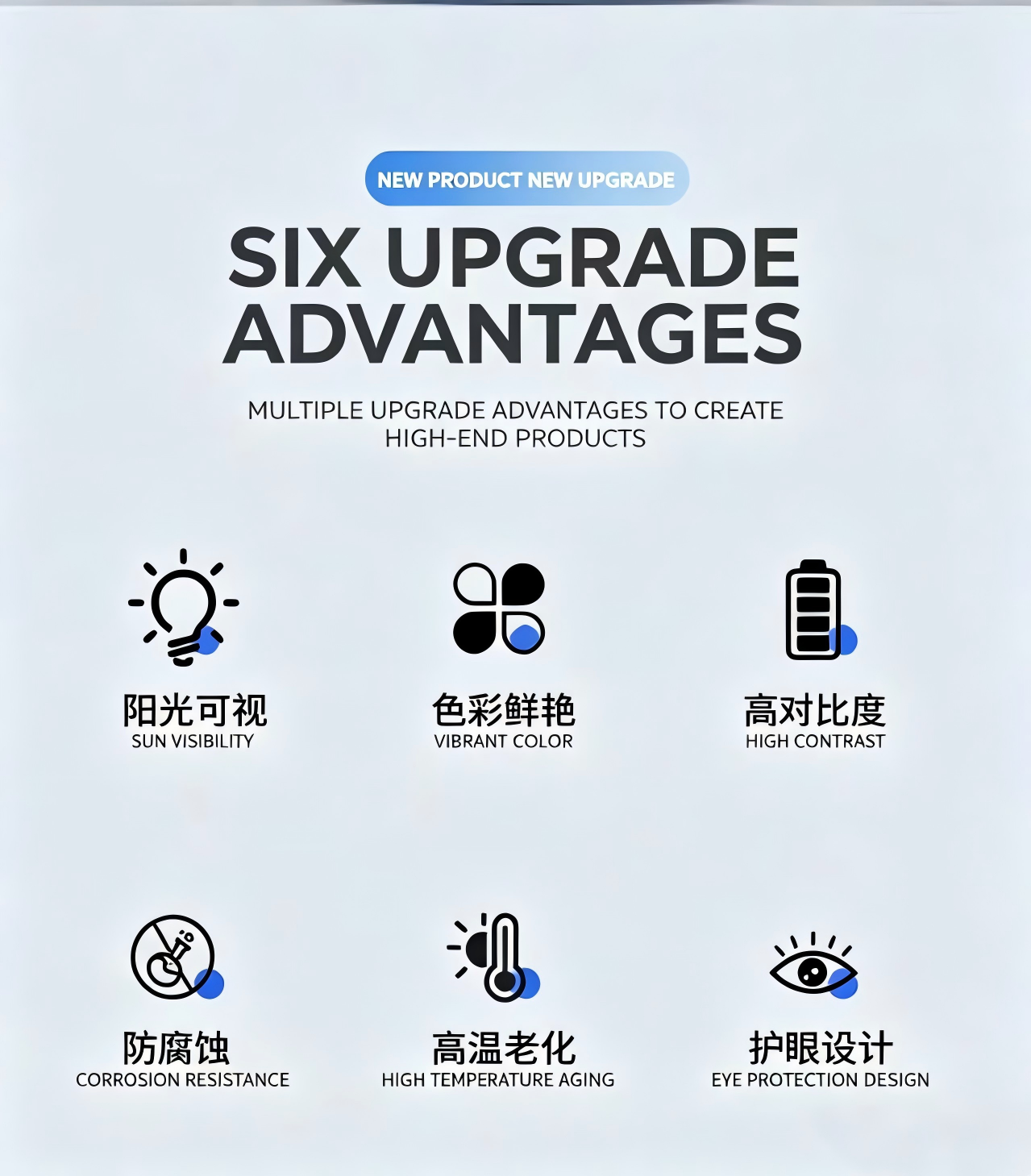
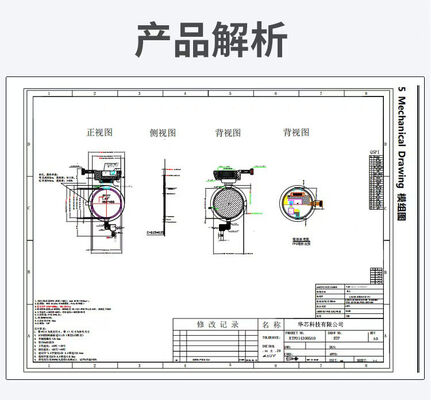
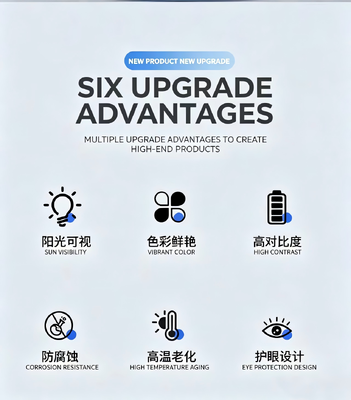
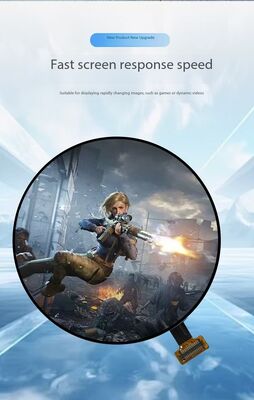
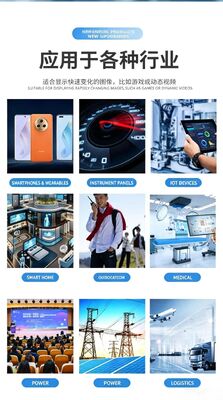
Ürün ayrıntıları
| Ekran Teknolojisi | İletken OLED | İsim | Müstehcen |
|---|---|---|---|
| Boyut | 1,43" | Çözünürlük | 466x466 |
| Parlaklık | 700 cd/m² | Arayüz | QSPI |
| Sürüş ic | CO5300 | ||
| Vurgulamak | 1,43 İnç AMOLED Ekran Modülü,700 nit Parlaklık Yuvarlak AMOLED Ekran |
||
Ürün Açıklaması
1,43 İnç Yuvarlak AMOLED Ekran Modülü, 700nit Parlaklık 466x466, kapak camı ve QSPIInterface Driving IC CO5300 ile
A: Ürün Parametresi
| Parça NO. | HX143005A |
| Ekran Teknolojisi | AMOLED ekran |
| Çapraz Ekran Boyutu | 1,43 inç amoled |
| Aktif Alan (mm) | 36,35(Y)*36,35(D) |
| Panel boyutu (mm) | 46,85(Y) *46,85(D)*2,03(T) |
| Parlaklık(cd/m2) | 700 |
| Çözünürlük | 466x466 |
| Arayüz | QSPI |
| kapak koruması | kapak camlı |
| Sürüş IC'si | CO5300 |
| Çalışma Sıcaklığı | -20~70 |
B:Ürün Resmi

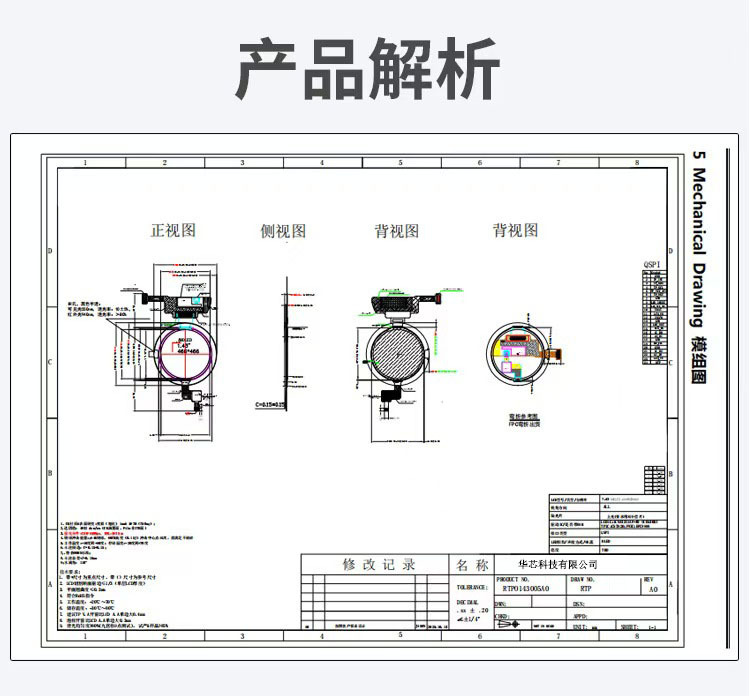
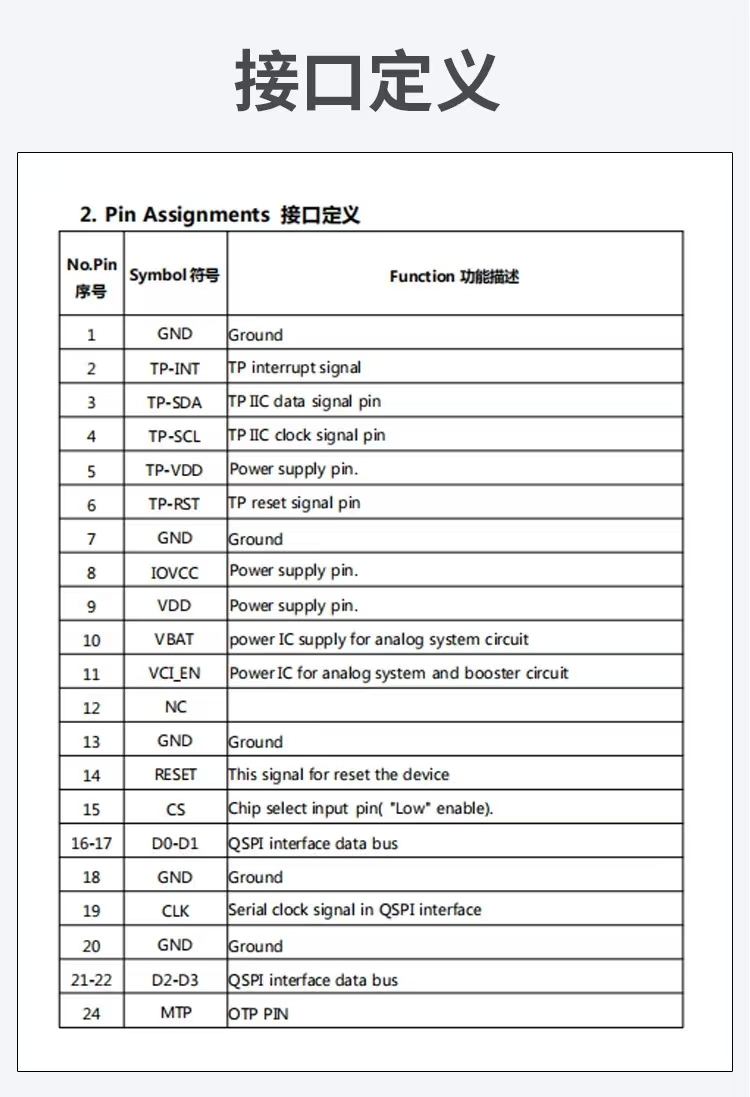
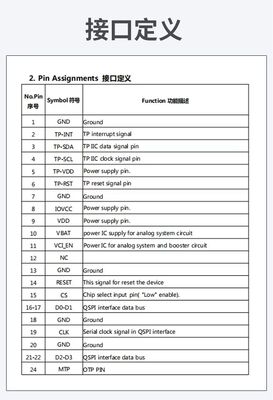
C: Çizim ve Pin tanımı
D: Oled Ürün Bilgisi
OLED'in Avantajları:
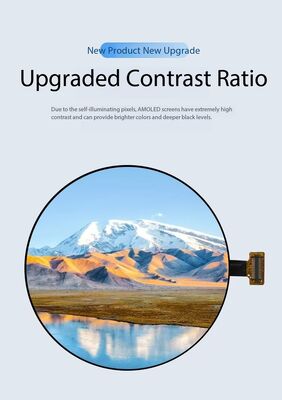
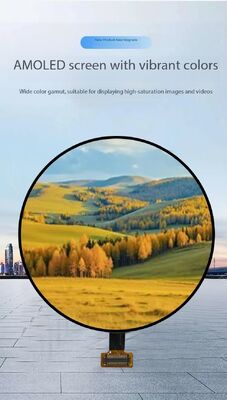
OLED setleri LCD'lere göre daha hafif ve daha incedir, yüksek kontrast, yüksek renk doygunluğu, daha düşük tüketim
OLED'in Dezavantajları
AMOLED, LCD ve TFT'ye göre son derece pahalıdır, ömrü LCD ve TFT'ye göre daha kısadır
E. Şirket Bilgileri
Huaxin Avantajı:
1. uygun maliyetli olan iç şehirdeki fabrika üssü
2. kaliteyi istikrarlı tutabilen en gelişmiş yeni ekipman
3. Verimlilik ve istikrarlı kaliteye sahip tam otomatik ekipman kullanan çoğu işlem
4. 20 yılı aşkın süredir lcd alanında çalışan profesyonel mühendisler ve üretim liderleri
5. özelleştirilmiş ürün için öz tasarım
sertifikalarımız
1.ISO14001/
2.ISO9001/IATF16949
3.LCD modülün SGS'si
- Huaxin Teknolojisi (Enshi)Co.,LTD
- Hubei.Enshi
- Kuruluş tarihi:2009
- Yüksek teknoloji kuruluşu ağırlıklı olarak araştırma ve geliştirme üzerinde çalışmakta, LCD, LCM, TFT, arka ışık, OLED üretip satmaktadır.
- LCD şunları içerir: VA,TN, HTN, STN, FSTN, CSTN ve diğer seriler
- LCM şunları içerir: COB,TBA, COG,TP,LED arka ışık ve diğer seriler
- kayıtlı sermaye: yirmi milyon
- mevcut personel:500+
- RD %10'u oluşturur
- Kalite kontrol %15'i oluşturur
F:Üretim Kapasitesi
| Yıllık Üretim Kapasite |
2021 (Güncel) | 2022 (Gol) | 2023 (Meydan Okuma) | 2024 (Meydan Okuma) | 2025 (Zorluk) | Açıklama | ||
| LCD Üretimi Kapasite |
4.5 | 9 | 9 | 9 | 9 | Birim:binlerce logaritma/Gün |
||
| LCM Üretimi Kapasite |
70 | 150 | 300 | 450 | 450 | Birim:Bin adet/Gün |
||
| Arka Işık Üretimi Kapasite |
100 | 200 | 300 | 500 | 500 | Birim:Bin adet/Gün |
||
| OLED Üretimi Kapasite |
10 | 20 | 30 | 40 | 50 | Birim:Bin adet/Gün |
||
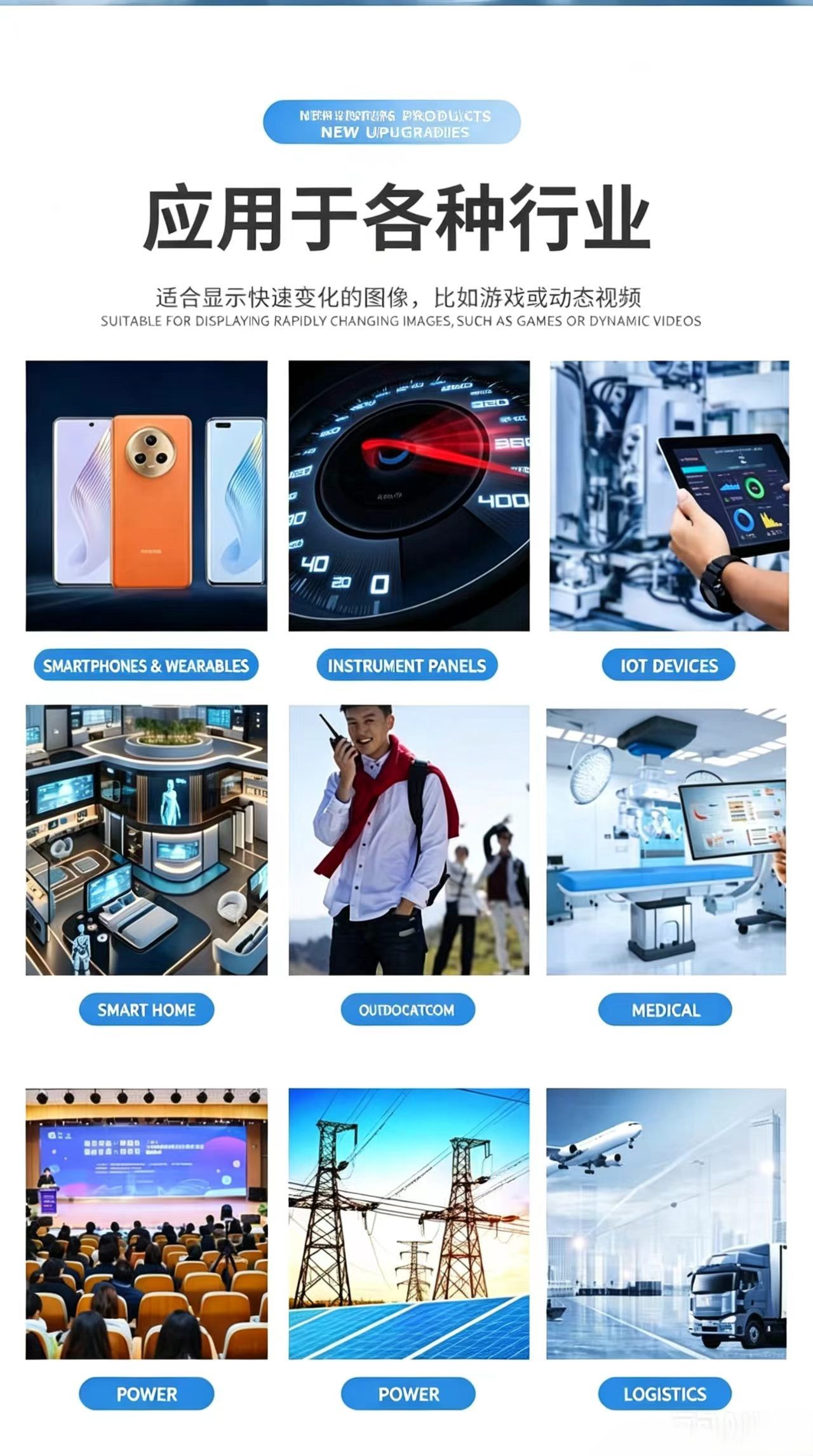
G: Ürün Uygulaması
1. emniyet kutusu ve enstrüman
2.kilit ve akıllı ev
3. verici ve izle
4.izle ve radyo
5.kolimatör ve navigatör
H: AMOLED Ekran Özellikleri
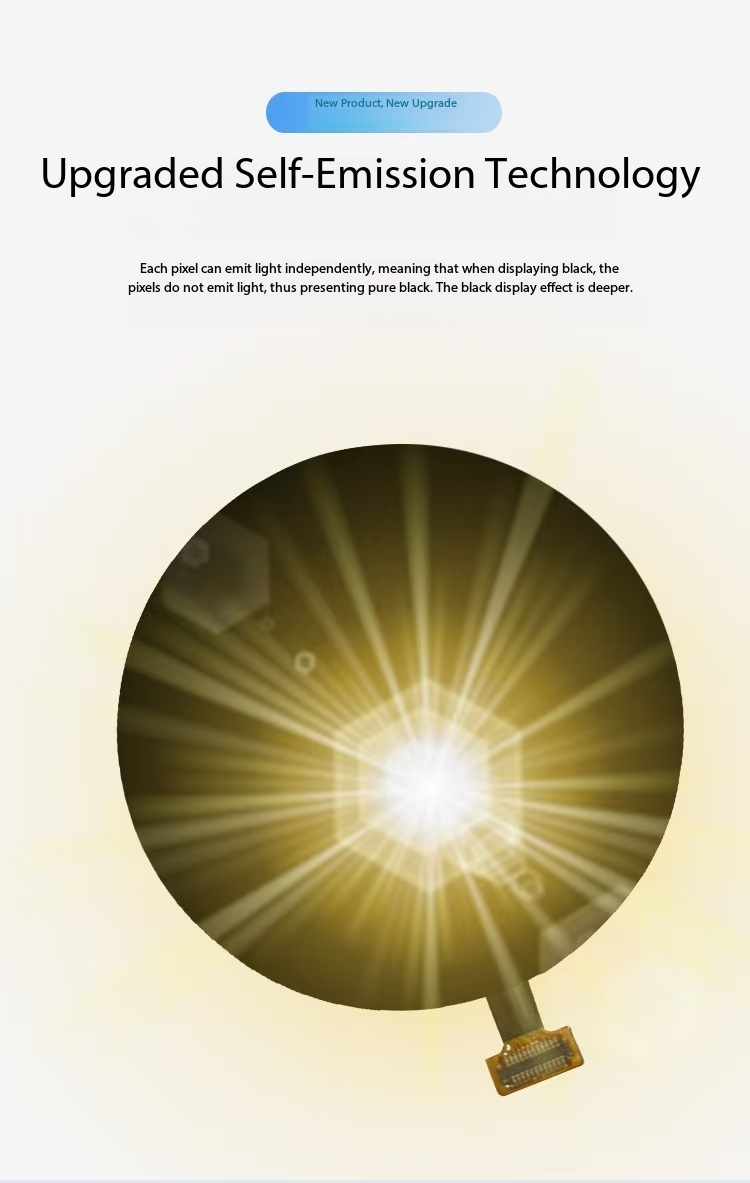
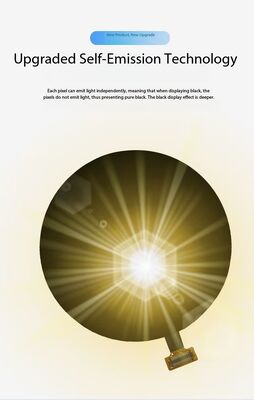
1.Self-E füze pikselleri:
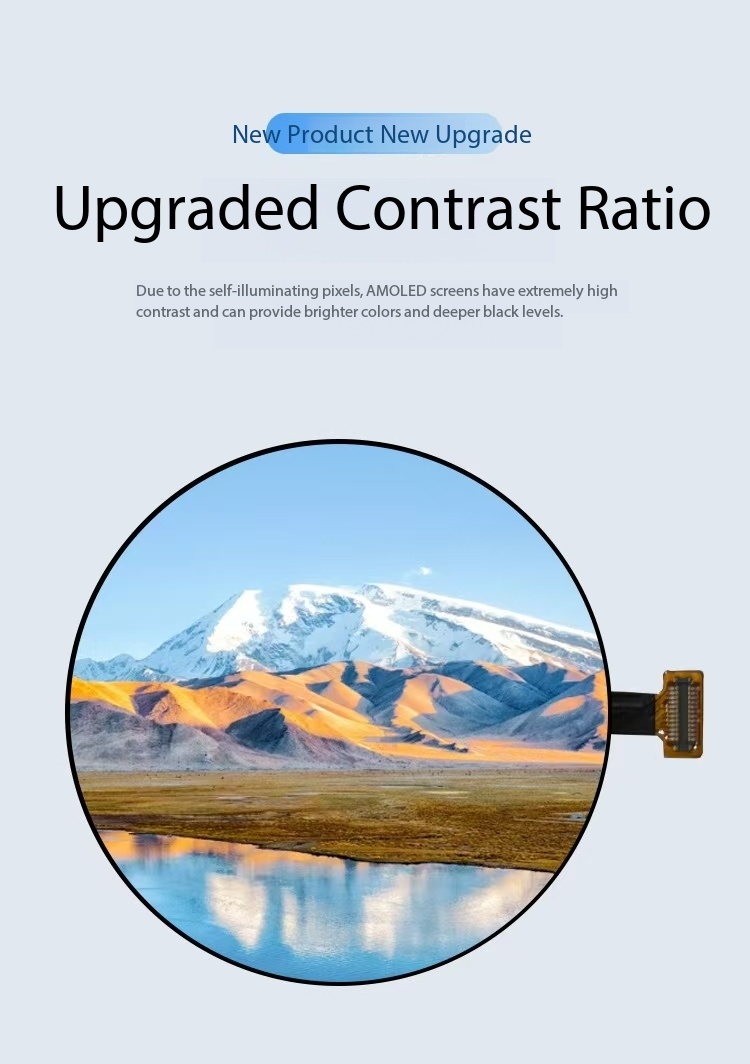
2.Kontrast Oranı:
3.Renk Doğruluğu ve Canlılık:
4.Görüş Açıları:
5.Güç Verimliliği:
6.İncelik ve Esneklik:
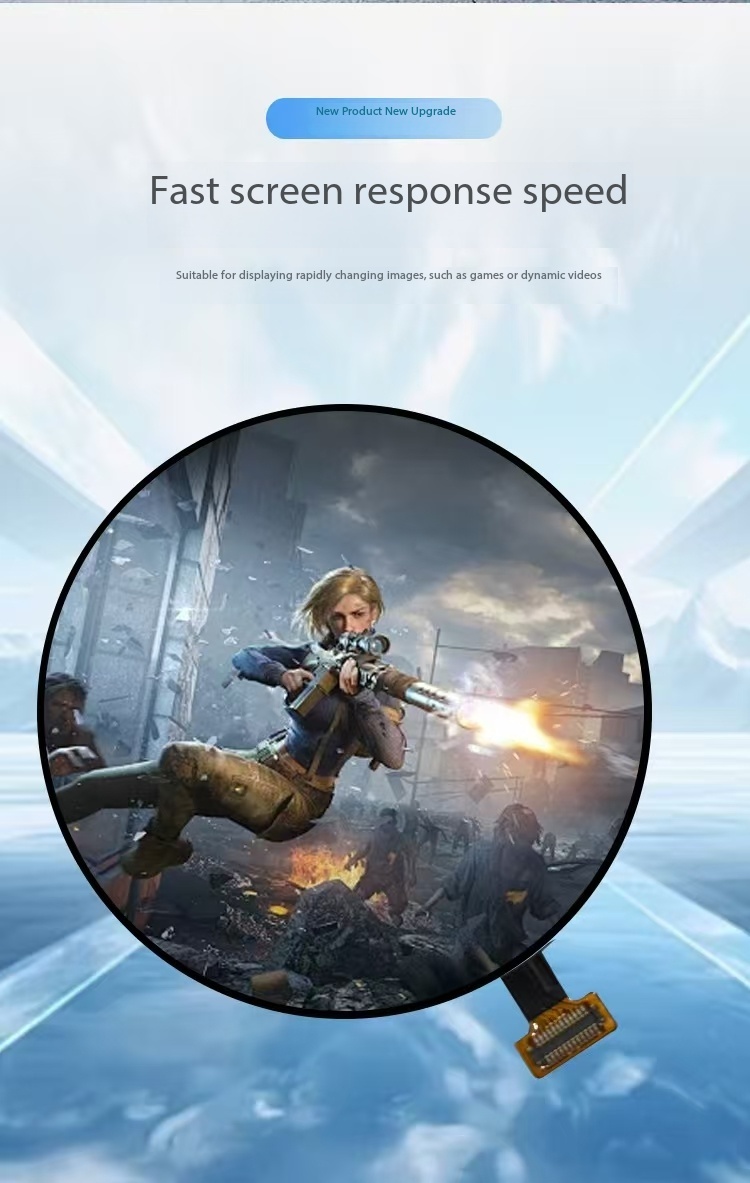
7. Tepki Süresi:
I: AMOLED ekranların güç verimliliği diğer ekran teknolojileriyle karşılaştırıldığında nasıldır?
1.Güç Tüketimi:
- AMOLED ekranlar piksel başına güç tüketir; bu, siyah veya koyu içerik görüntüleyen piksellerin çok az güç tükettiği, parlak veya beyaz içerik görüntüleyen piksellerin ise daha fazla güç tükettiği anlamına gelir.
- Öte yandan LCD ve LED ekranlar, görüntülenen içerikten bağımsız olarak güç tüketen sabit bir arka ışığa ihtiyaç duyar.
2.İçerik Bağımlılığı:
- AMOLED ekranlar, çok sayıda karanlık veya siyah alana sahip içerik için güç açısından daha verimlidir; çünkü güç tasarrufu sağlamak için tek tek pikseller kapatılabilir.
- LCD ve LED ekranlar, arka ışık aktif kaldığı için görüntülenen içerikten bağımsız olarak nispeten sabit miktarda güç tüketir.
3.Parlaklık Kontrolü:
- AMOLED ekranlar, tek tek piksellerin parlaklığını dinamik olarak ayarlayarak düşük parlaklık senaryolarında daha iyi güç verimliliği sağlar.
- LCD ve LED ekranlar genellikle sabit bir arka ışık parlaklığına sahiptir; bu, ekran içeriği maksimum parlaklık gerektirmediğinde bile daha yüksek güç tüketimine neden olabilir
4.Ekran Boyutu
- Güç tüketimi piksel sayısıyla orantılı olduğundan, AMOLED ekranlar daha küçük ekran boyutları için güç açısından daha verimli olma eğilimindedir.
- Daha büyük LCD ve LED ekranlar, daha fazla güce aç arka ışık gerektirebilir ve bu durum, aynı boyuttaki AMOLED ekranlara kıyasla güç verimliliğini potansiyel olarak azaltabilir.
Önerilen Ürünler
-
VIDEO